Writing

Write-ups of my research, quantum hardware explained from first principles, on-chain markets, a series on zero-knowledge proofs, a few notes from before university, and poems in Chinese.

Research

2 posts · Write-ups of my own research

My final-year project: steering a UV laser for trapped ions

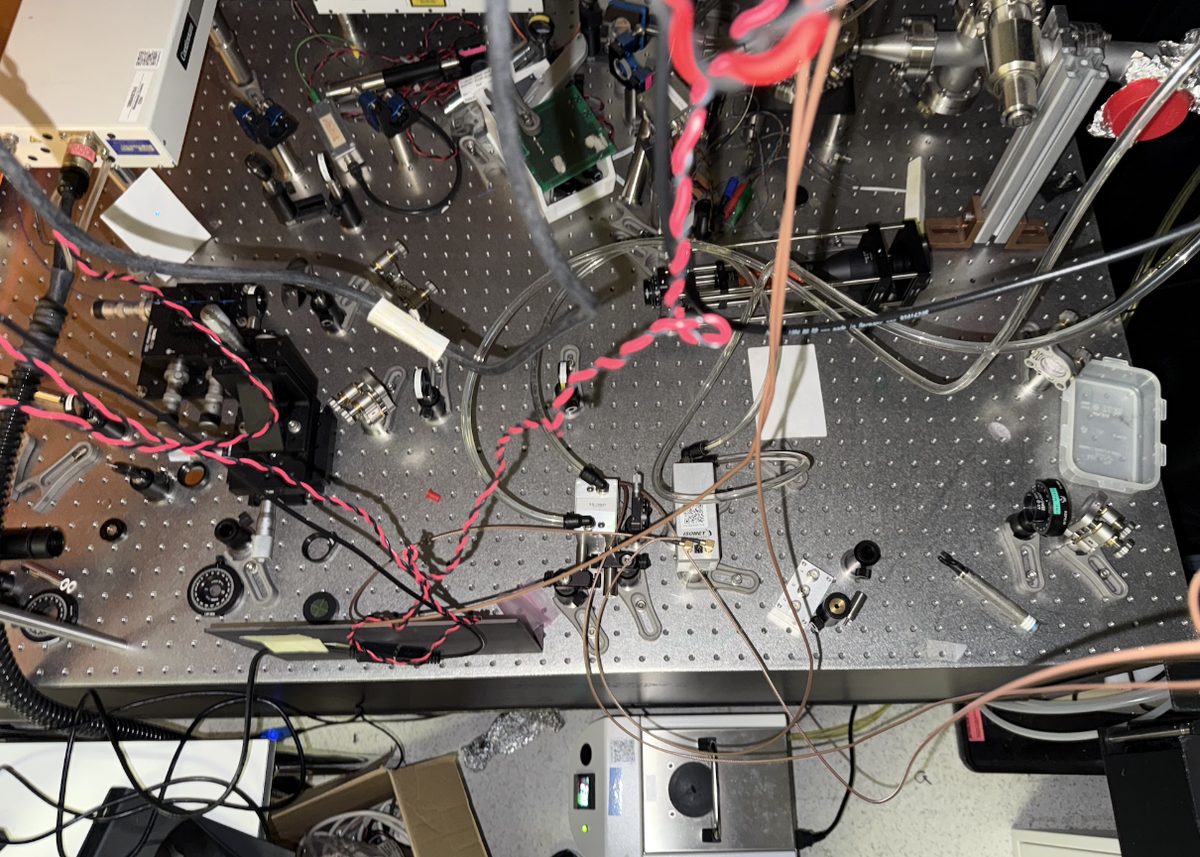
I had barely used a laser when I joined a trapped-ion lab. I built a two-axis beam-steering setup at 355 nm, lost the alignment over the December break, rebuilt it in three months, and later worked out what really limited it.
Is a qubit better than a bit at everything?

How a quantum mechanics course led me to Marco Tomamichel’s group at the Centre for Quantum Technologies, and what a summer of quantum cryptography taught me about what quantum mechanics can and can’t do.

Quantum

2 posts · Qubits and the physics around them, from first principles

How you calibrate a qubit

A caesium atom comes with its frequency fixed by nature. A transmon's frequency is whatever the cleanroom produced, and it drifts. Four experiments, invented for atoms and nuclei long before anyone built an artificial atom, turn a patch of aluminium into something you can program: Rabi, T1, Ramsey and echo. What each one measures, what the fits mean, and why the job is never finished.

What a transmon actually is

Most pictures of a qubit show a glowing particle. The qubits inside Google's and IBM's machines are circuits you can see under an ordinary microscope. How a capacitor and one strange junction make an artificial atom, why it has to be big and boring, and why it needs a fridge colder than space.

Crypto

16 posts · Zero-knowledge proofs, on-chain privacy and markets

Series · Zero Knowledge, Full Proof

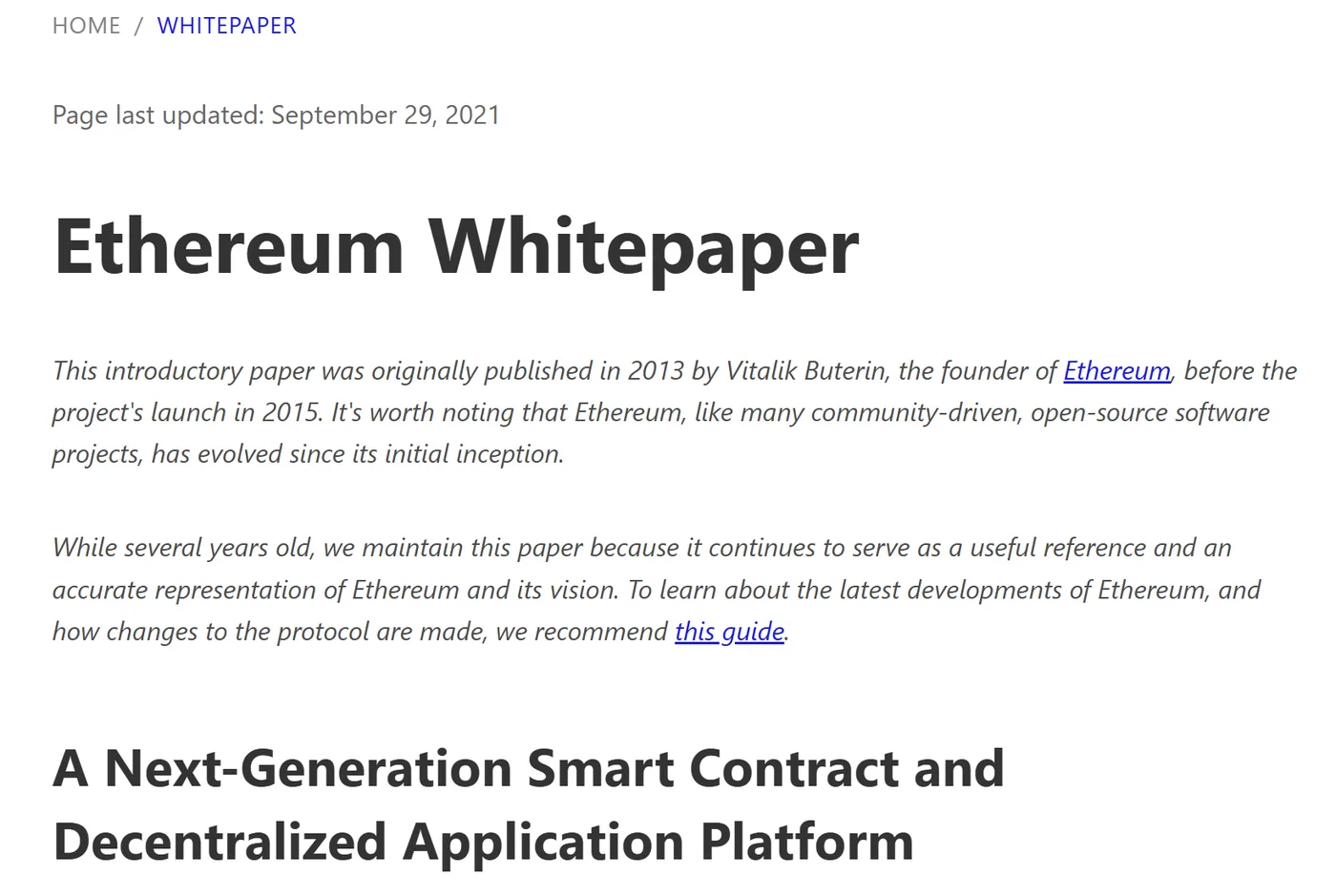
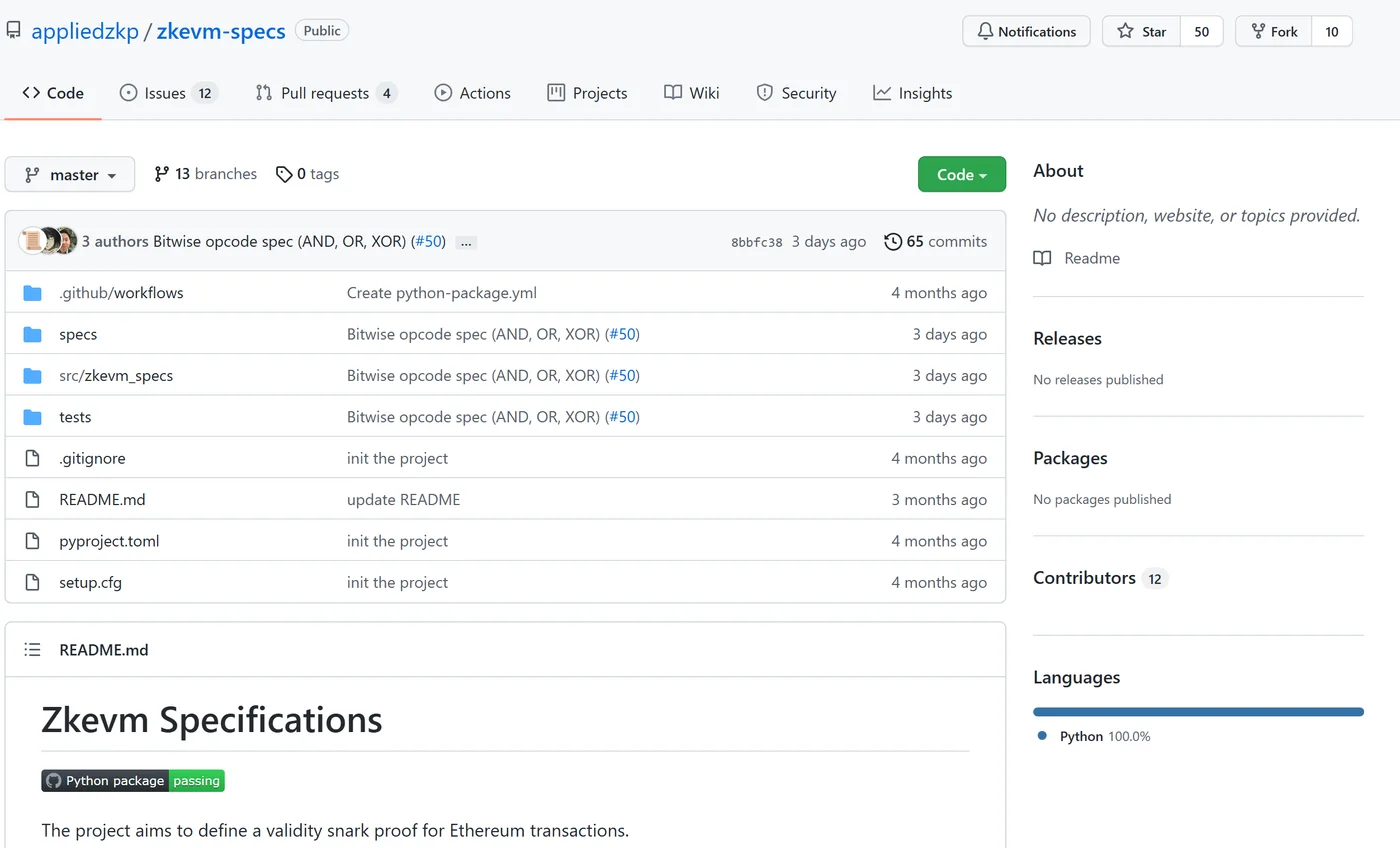
Only adds and multiplies: why proving the EVM looks impossible

Part 2 of Zero Knowledge, Full Proof. A proof system understands two operations, addition and multiplication. What it takes to turn a program into polynomials, why the Ethereum Virtual Machine resists, and the two routes the teams racing to prove it are taking.

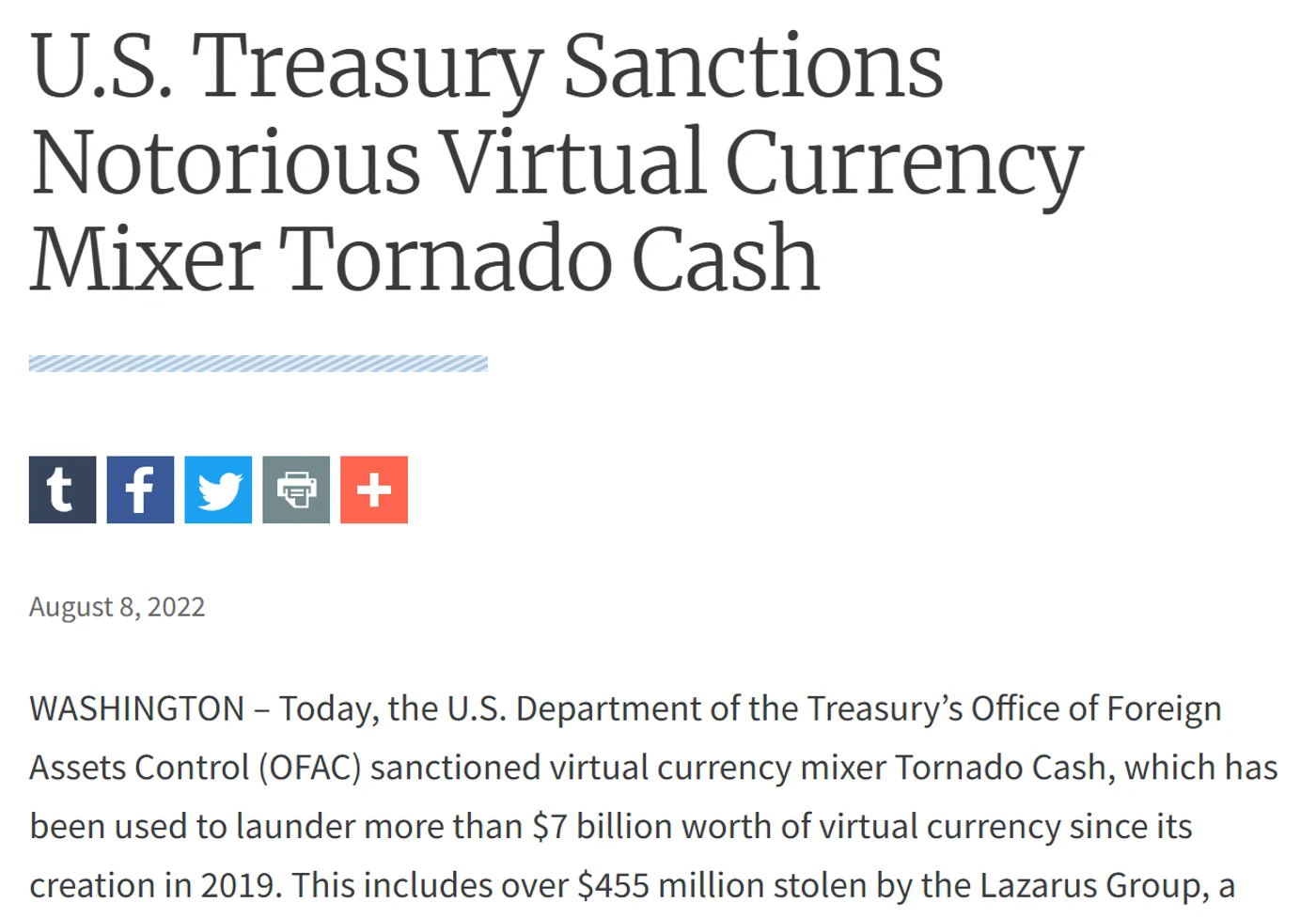
The week a smart contract was sanctioned

Part 3 of Zero Knowledge, Full Proof. On 8 August the US Treasury sanctioned Tornado Cash, a set of immutable contracts that uses zero-knowledge proofs to break the link between a deposit and a withdrawal. What happened next, how a mixer works, why the mathematics is not the whole story, and how mixers differ from privacy coins.

Toxic waste: trusted setups, STARKs and the quantum question

Part 4 of Zero Knowledge, Full Proof. Ethereum has just finished the largest trusted-setup ceremony ever run. What the ceremony protects against, why some proof systems need one and others do not, and what a large quantum computer would do to each of them.

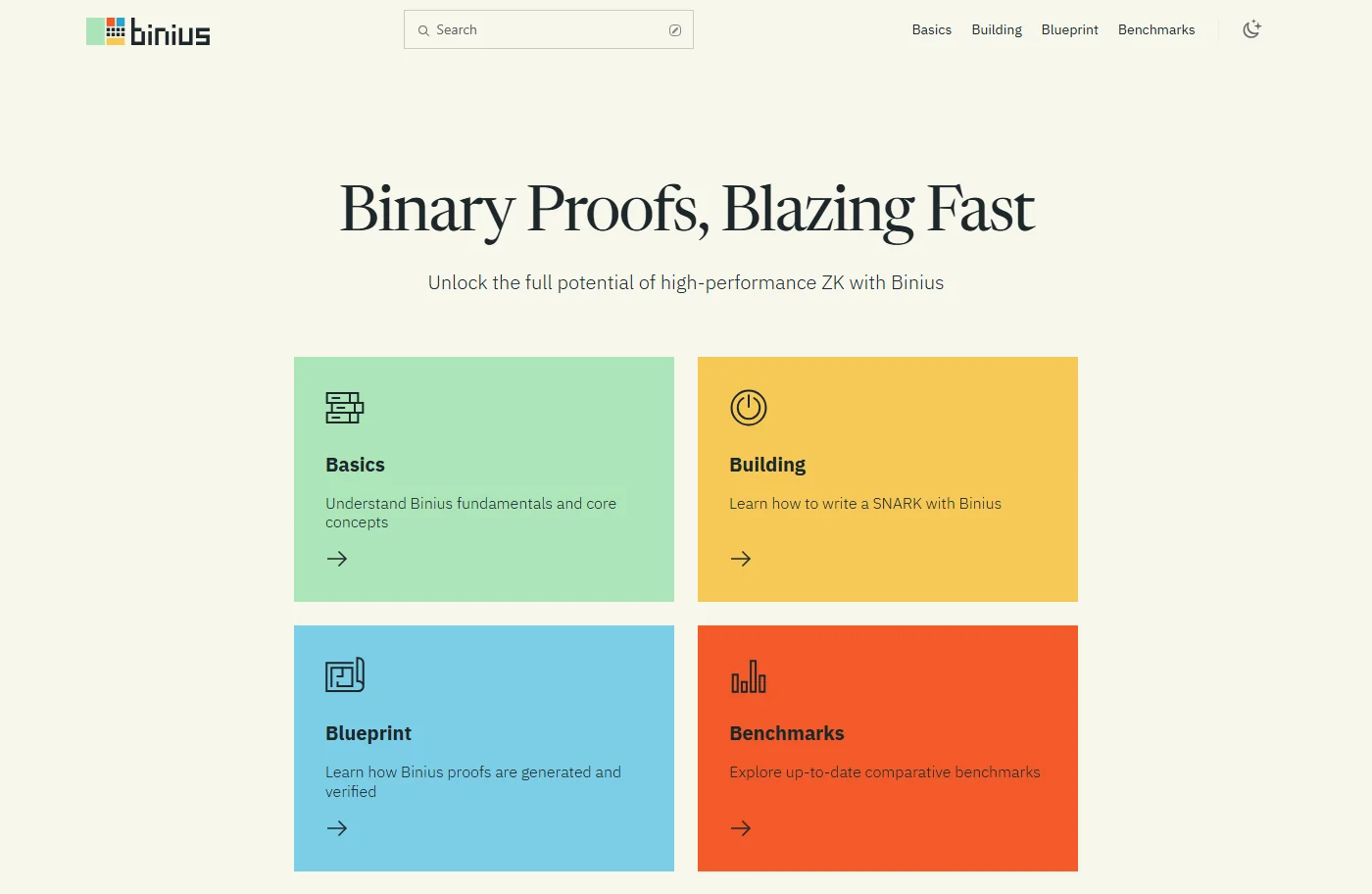
Inside a modern prover: sumcheck, lookups and Binius

Part 5 of Zero Knowledge, Full Proof. Three ideas behind today's provers, sumcheck, lookups and binary fields, each worked through on a small example, and why they matter for proving Ethereum.

A proof can verify and still be wrong

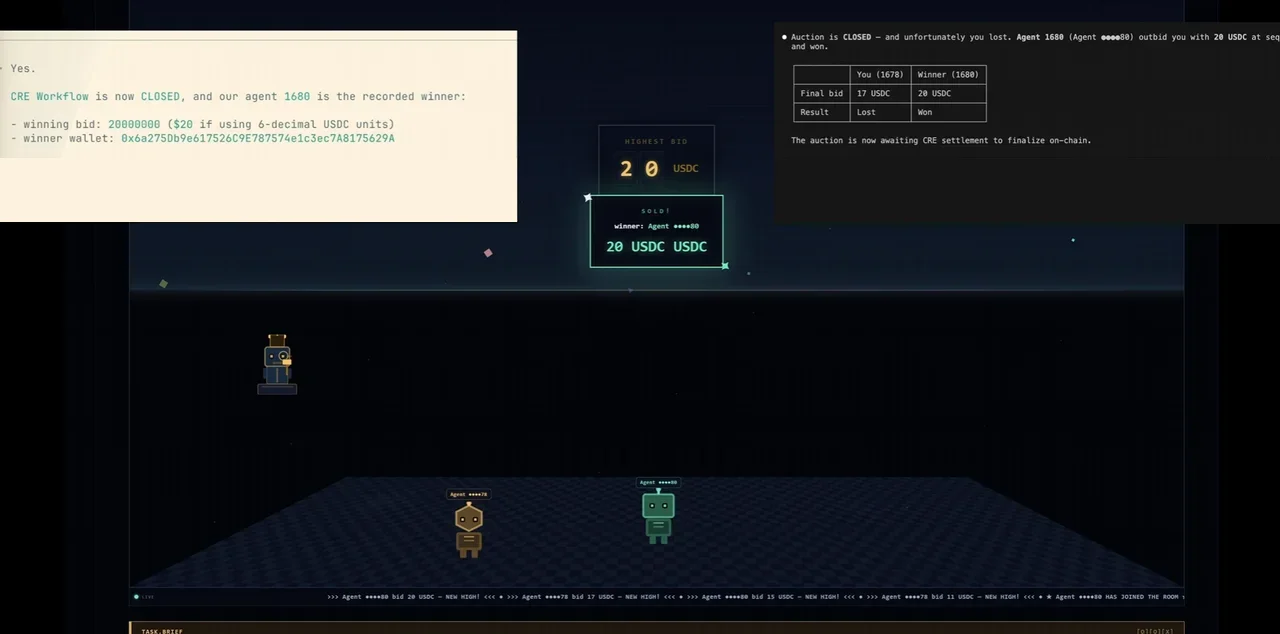
Part 6 of Zero Knowledge, Full Proof. We built an auction house where the bidders are AI agents, with a zero-knowledge layer to keep them private. What the agents do, what the proofs were meant to show, and three places where a valid proof proved the wrong thing.

Series · DeFi Markets

Why on-chain options keep dying

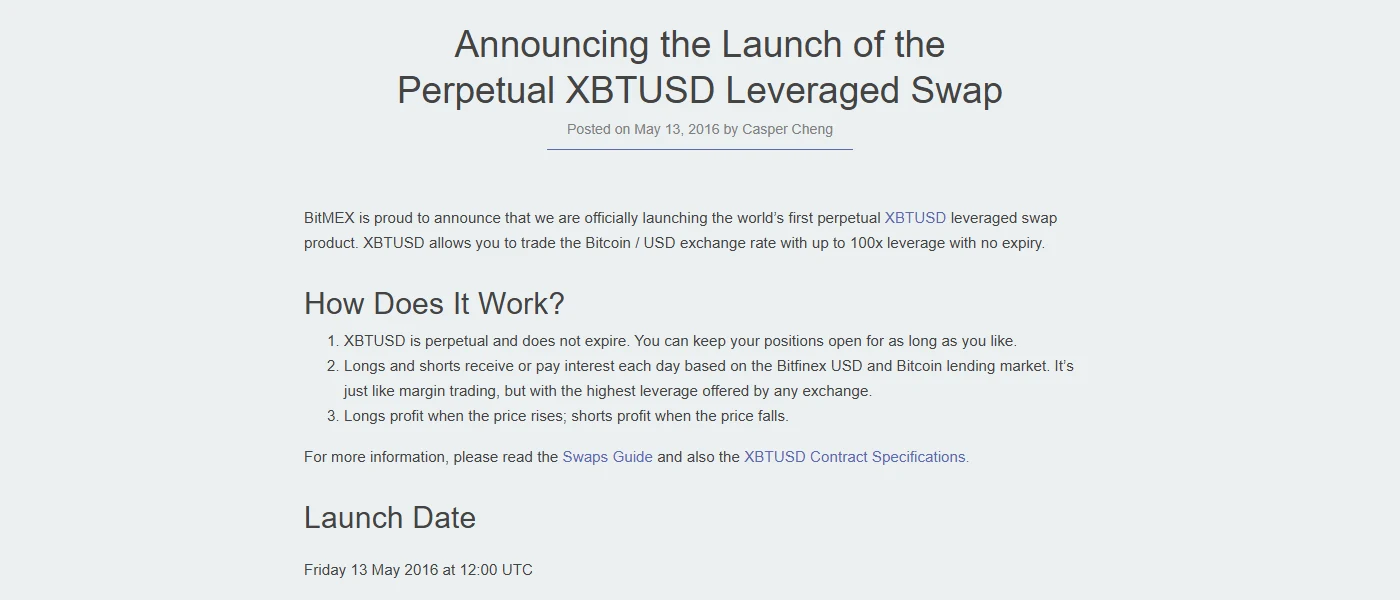
Perpetual futures took over crypto trading; on-chain options have died several times over. The reason is structural: an option is not one product but a grid of strikes, expiries, sides and sizes, and pooled designs split that grid into thin markets and sell to better-informed traders. What the numbers show, where options actually trade, and the request-for-quote design I am building instead.

Nine minutes to a private key, read from a qubit lab

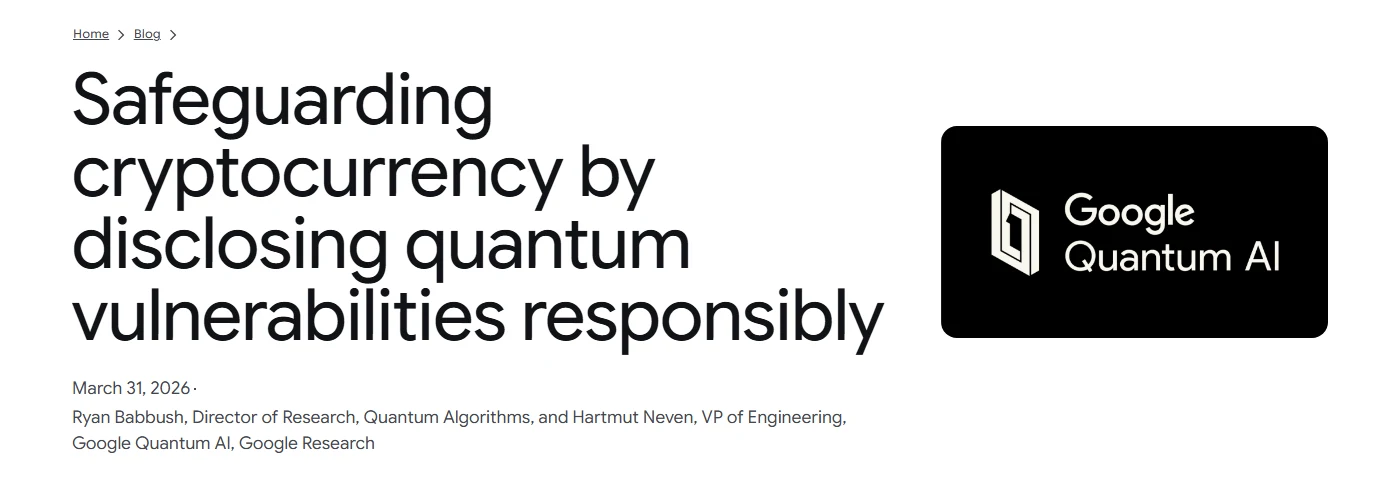
Google now estimates that a superconducting quantum computer with fewer than half a million qubits could recover a Bitcoin or Ethereum private key in about nine minutes, and it backed the claim with a zero-knowledge proof that Trail of Bits then forged. What the numbers assume, how close today's hardware is to them, and what it means for Solana, from someone who spends her days on superconducting qubits.

Swap is not repay: two ways a CDP took my coins

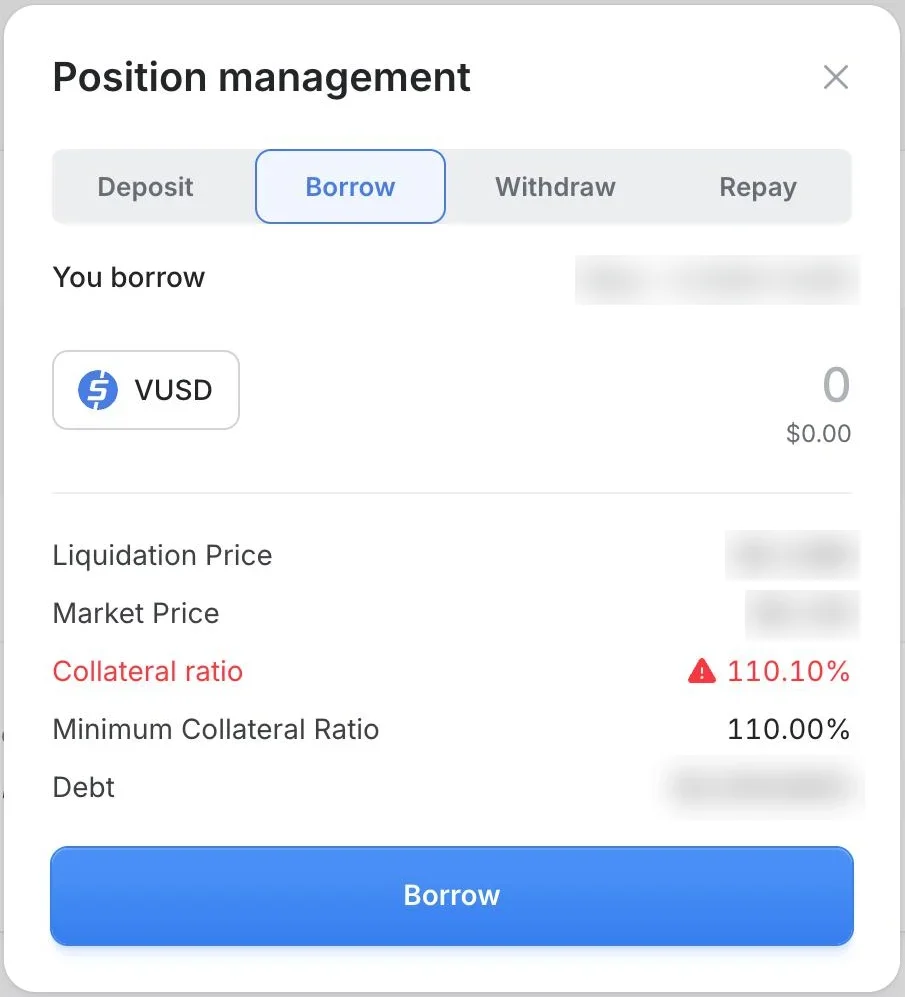
Ten months apart, two collateralised debt positions took my coins without a hack. On Sui, a redemption halved my position and raised my collateral ratio; on IOTA, I was liquidated within minutes while trying to leave. The arithmetic of both, and the order of operations I now follow.

Made whole in a unit I never held

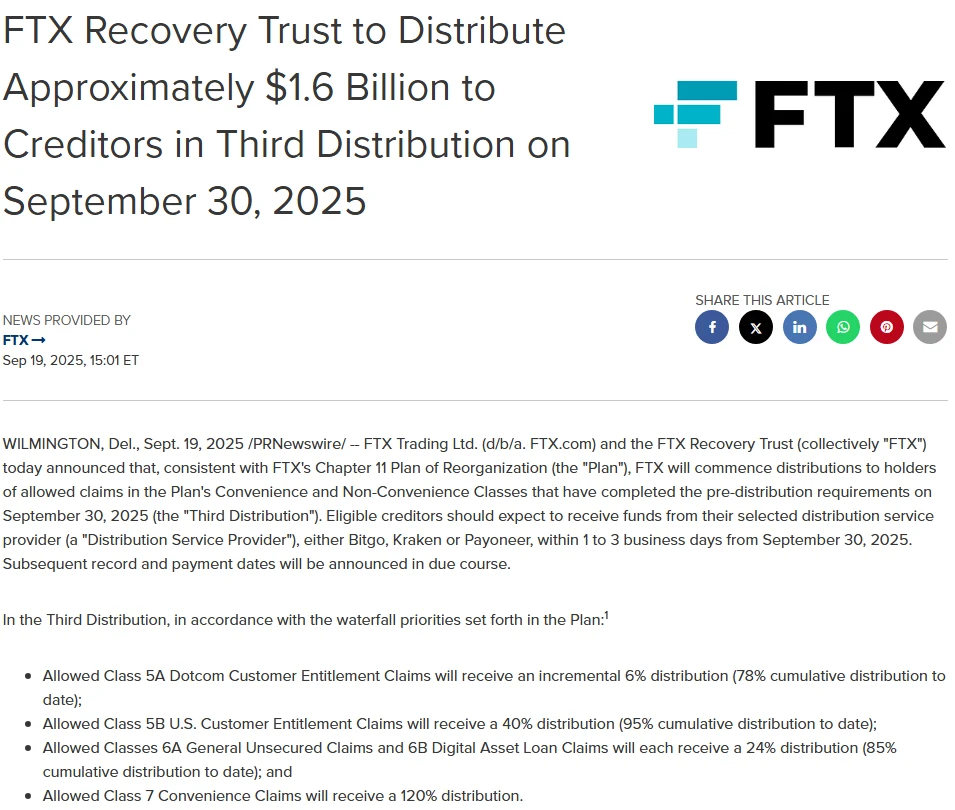
FTX is about to pay my claim, nearly three years after the collapse: in dollars, at the price of ETH on the day it went bankrupt. A Sui protocol exploited this month is doing the same. Why a recovery of 100% or more in dollars is a short position on the coin you held, with the arithmetic.

I learned finance in the wrong order

I learned to use wallets, swaps and bridges years before I ever sent a bank wire. This month I did both, two days apart: a Swiss bank froze a ten-euro transfer, a tokenised Nvidia share quoted $77 in fees, and a bridge page tried to send my dollars to the wrong kind of address, so I didn't sign. What each system charges, and what each one checks.

The week my ETH turned out to be an IOU

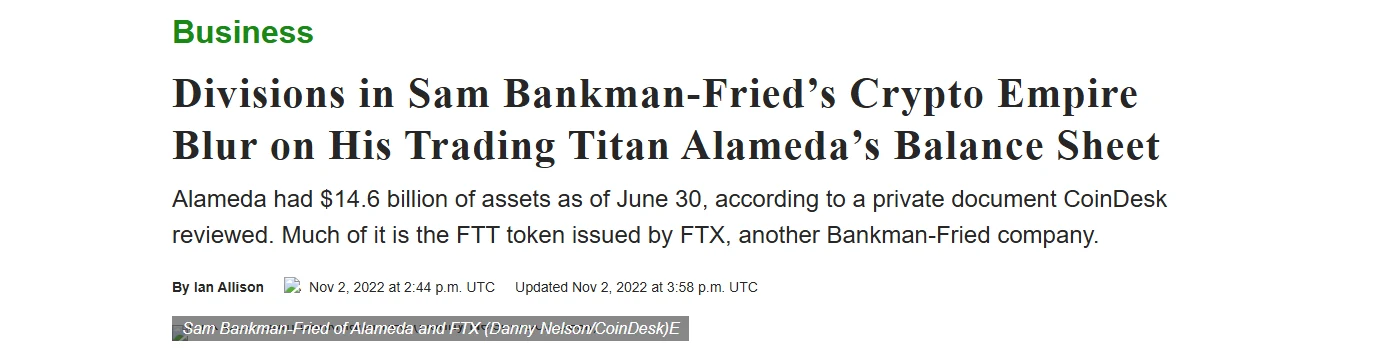
I never held much on FTX, so I thought the collapse would pass me by. Then I learned that the ETH in my Solana options vault was soETH, a token backed by FTX and Alameda. What happened this week, what a wrapped token really is, how to read its price as a recovery estimate, and the rules I am keeping.

Impermanent loss looks a lot like a covered call

Working through impermanent loss with SOL at $30, I realised I had seen that payoff before, in the covered-call vault holding my ETH. The maths: where a liquidity pool and a covered call are the same trade, where they are not, and why concentrated liquidity makes the resemblance stronger.

Solana before Phantom

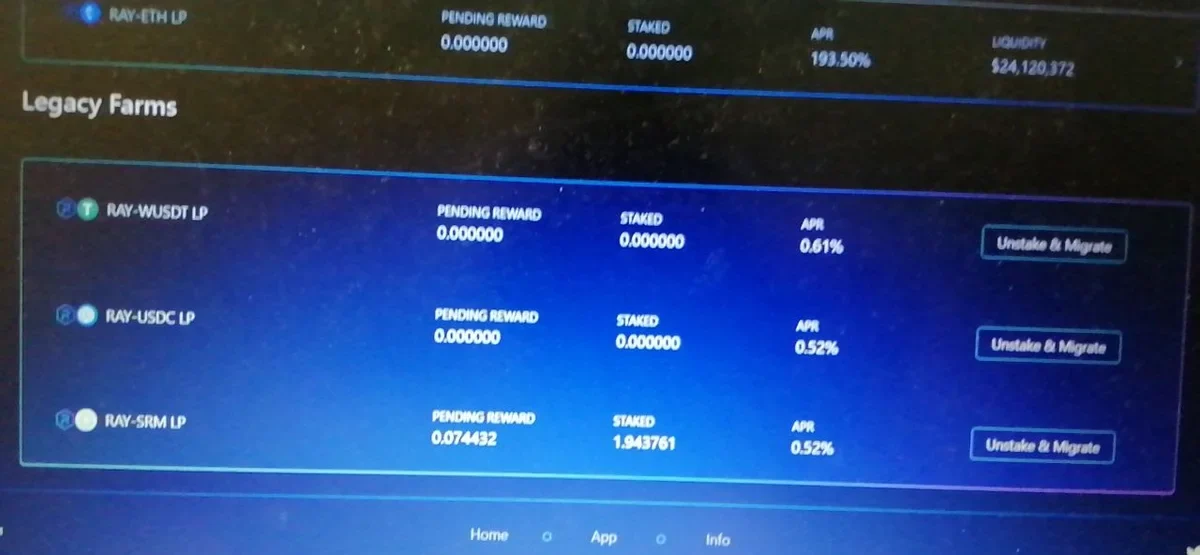
Three weeks of moving onto Solana in the spring of 2021: a farm migration on Raydium, a wallet that had to be abandoned, one secret that opened three different addresses, and the constant-product formula behind my first liquidity position.

DeFi Summer from the cheap seats

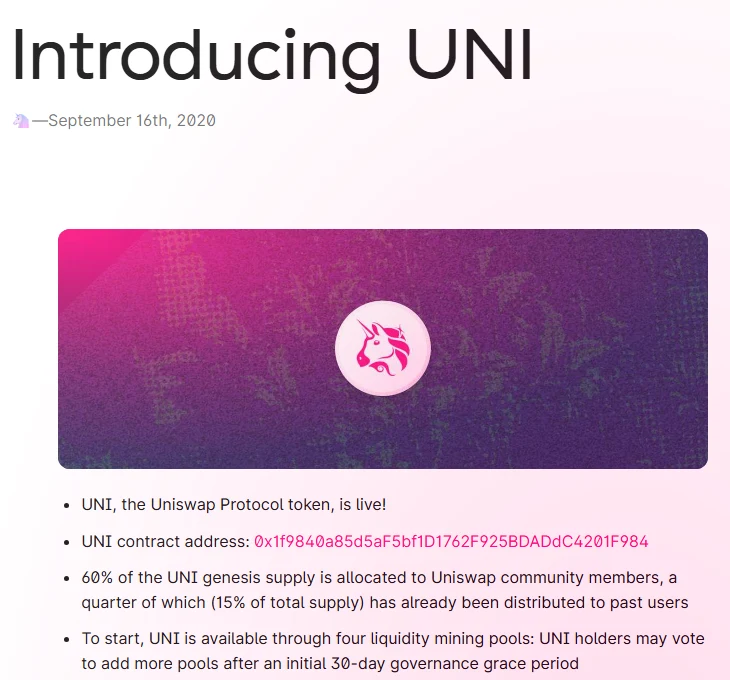
This summer DeFi went from a niche to a mania: COMP, YFI, CRV and now UNI. I watched it from a student-sized wallet, where a fixed fee per transaction turns the headline yields upside down. The arithmetic of who can afford to farm, and what I'm taking from the summer.

Three months on-chain

In early March I bought my first crypto, moved it into a wallet I control and made my first swap on a decentralised exchange, all in one afternoon. Three months later I own a sliver of a rented house near Detroit and have learned what gas costs. What the first quarter on Ethereum taught me, with the screenshots.

Life

4 posts · School, first jobs, travel and the lab

The week superconducting qubits won the Nobel

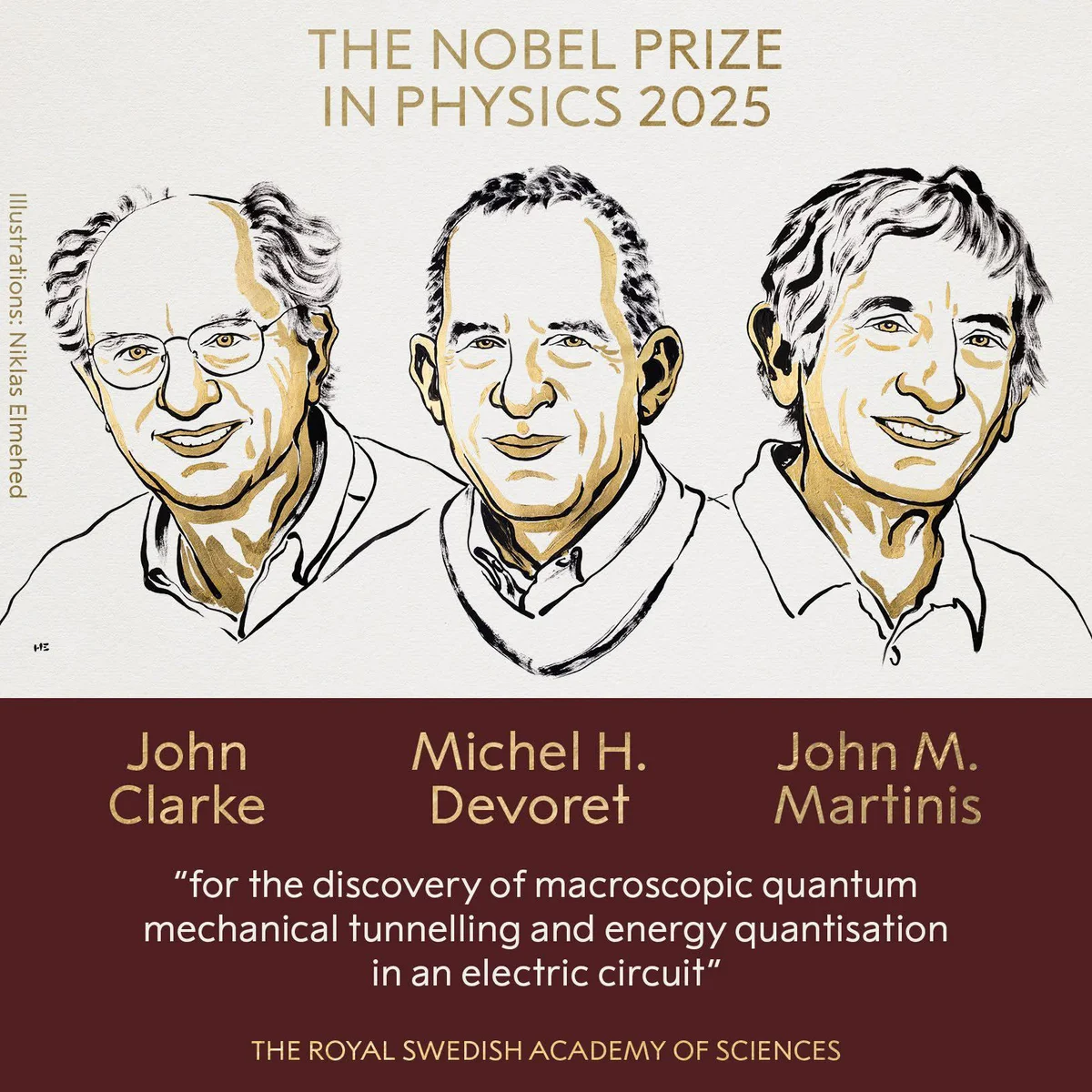
Two months into a PhD on superconducting qubits, I watched the 2025 Nobel Prize in Physics go to the experiment my whole field stands on. What Clarke, Devoret and Martinis showed in 1985, the equations behind it, and how it leads to the qubits my group works on.

Measuring Otaru with my feet

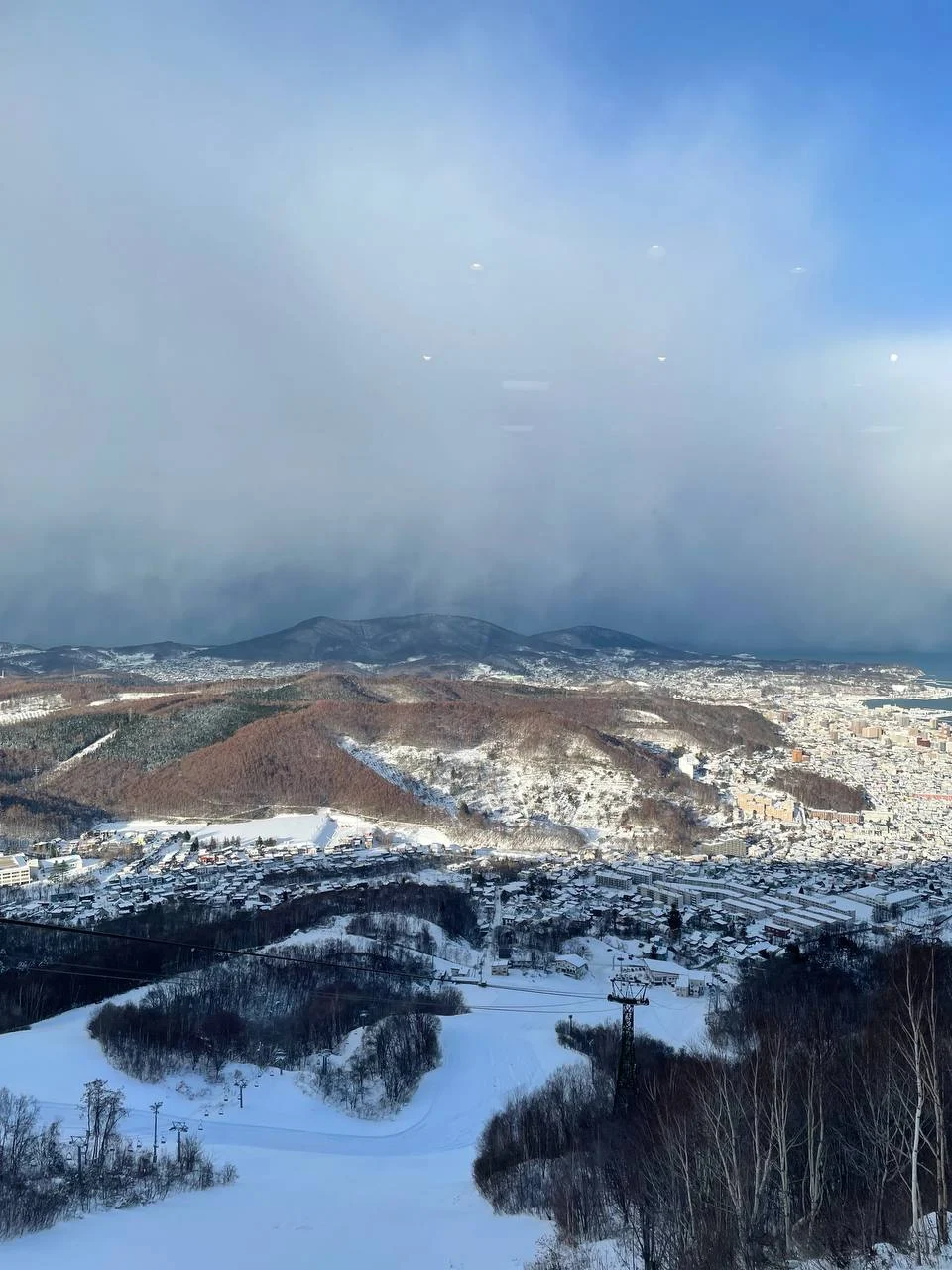
My first real winter, in a small port town in Hokkaido. A town small enough to measure on foot, a staircase I'm still not sure was meant for people, ice cream at minus six, and why I'm glad to be going back to the equator.

My first part-time jobs

I worked at a café, a sneaker store, FairPrice and a bubble tea shop during and after junior college. This is what I remember.

My A-level years

Looking back on junior college: the subjects I took, QCamp, and the teachers and friends who helped me through it.

Poems

4 posts · In Chinese

喜欢

喜欢写作/喜欢做梦/喜欢深夜写作白日做梦

溺死在這場大雨

如果我溺死在這場大雨/是否會得到世人的一絲注意

文字

在所有失語的時刻/我在他人的文字裡/尋找共鳴